
Guard dogs play an important role for many households as a form of protection. Many would argue that intruders are becoming increasingly aware of the presence of guard dogs and will target them before attempting a break in on the household. In order to protect your pets it is crucial that you are aware of how attackers target them.
Why Guard Dogs Are Targeted
The guard dog is not often attacked on the spur of the moment; normally such an attack is planned and premeditated. People who commit crimes are acutely aware that a guard dog can give away a burglar’s presence to an owner, draw the attention of people nearby, or even intervene to stop an attempted intrusion. Frequently, the plan of the would-be criminal is to attack the dog before approaching the target building in the hopes that the dog can be incapacitated, leaving no alert.
Poisoning is another method used. Dogs are poisoned through the consumption of poisoned bait placed in areas where dogs frequent, such as around food, hidden in cardboard or plastic containers left around the place, or mixed into the dog’s food. Poisoning often occurs at night when owners are asleep.
How Poisoning Typically Happens
More common is the use of poisoned baits – meats and breads – laced with highly toxic chemicals. Attack usually occurs during “quiet hours”. owners may not realise an attack has occurred until symptoms appear. By this time it is late – valuable time has already been lost.
Dogs most at risk of District Dog Theft are those that sleep outside, or have access to the boundary walls of their property.
Warning Signs to Watch For
While no single indicator is conclusive for threat potential, there are a few that should be noted.
- bait is placed in areas where unfamiliar food items are found, especially in proximity to fences, gates or walls.
- fixation by the dog on a specific section of the fence or property line.
- Sudden changes in behavior after being outside, such as weakness, vomiting, or lack of coordination.
If you notice any of these characteristics call off your dog from investigating the possible item and keep your dog away from the area.
Practical Ways to Reduce Risk
You can’t get rid of every hazard, but you can dramatically lower the risk of injury by taking some simple precautions.
Check your surroundings daily
Take a few minutes to go around your entire property, paying special attention to those unique areas like corners, transitions, and edges and ask yourself, does anything stand out—especially when it comes to food and items out of place?
Limit access to outer boundaries at night
If possible, keep the dog indoors at night in an internal room or area that is separate from any items that could be thrown over the fence by an intruder.
Avoid predictable feeding routines outdoors
Pets left outside alone could become targets of pets from next door. Feeding your pet indoors or at irregular times may deter the pet thieft process.
Install proper lighting
We have added motion activated lights around gates and walls to deter unwanted activity.
Stay connected with your community
Please be aware to report any suspicious activity to your residential neighbors or appropriate local security groups as these incidents typically affect multiple and contiguous residential properties.
What To Do in an Emergency
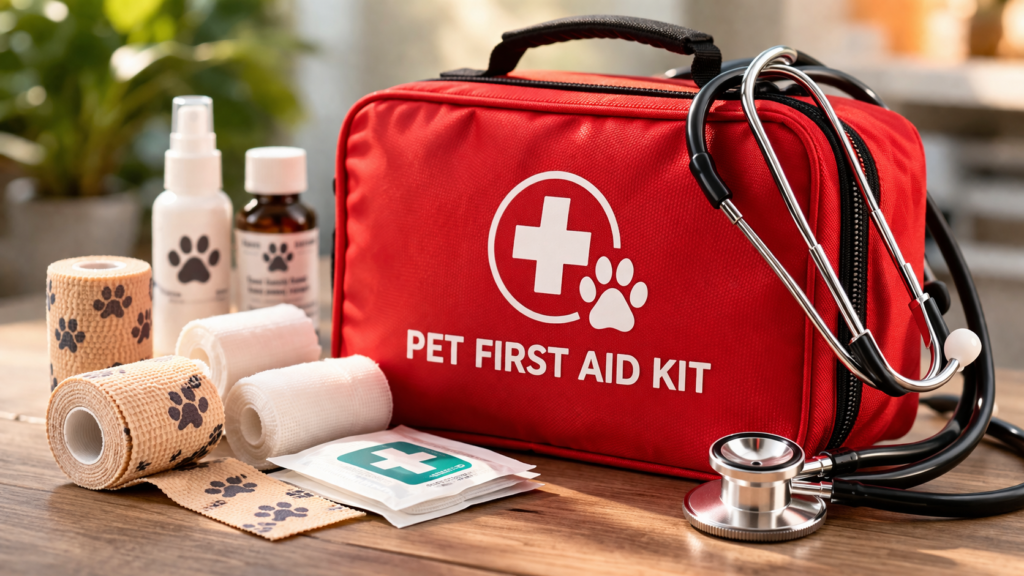
If you suspect your dog has been poisoned, quick and correct action is essential:
- Stay calm and observe the symptoms
- Contact a veterinarian before using any treatments on your dog.
- Do not give any home remedies unless told to do so by your veterinarian or other healthcare providers.
- Follow veterinary instructions carefully
- If safe and practicable retrieve any possible samples for analysis.
- Take your dog to the vet ASAP
Act fast – timing is everything in a dog poisoning situation.
How Pet Insurance Can Help
The cost of emergency veterinary care for incidents such as poisoning can be high especially when quick treatment is needed. However, having pet insurance can help reduce the costs, depending on the level of cover you have.
Insurance can remove the financial burden from your hands allowing you to focus on your dog’s illness or injury while we are there to make the decisions needed to ensure they receive the best treatment. It also means you will make the most timely decisions for your dog’s health as no one wants unexpected bills.
Stay Prepared, Stay Protected
You can’t stop all dog threats, but you can arm yourself with knowledge. By being aware of potential situations and taking extra precautions, making a few changes in your dogs’ routines, and knowing what to do in an unexpected event, you can greatly reduce the chances your dog ends up in serious danger.
Staying alert and having a solid emergency plan is the best protection for your guard dog. By making small changes to their routine and securing your property, you can ensure your loyal protector stays safe and healthy.