
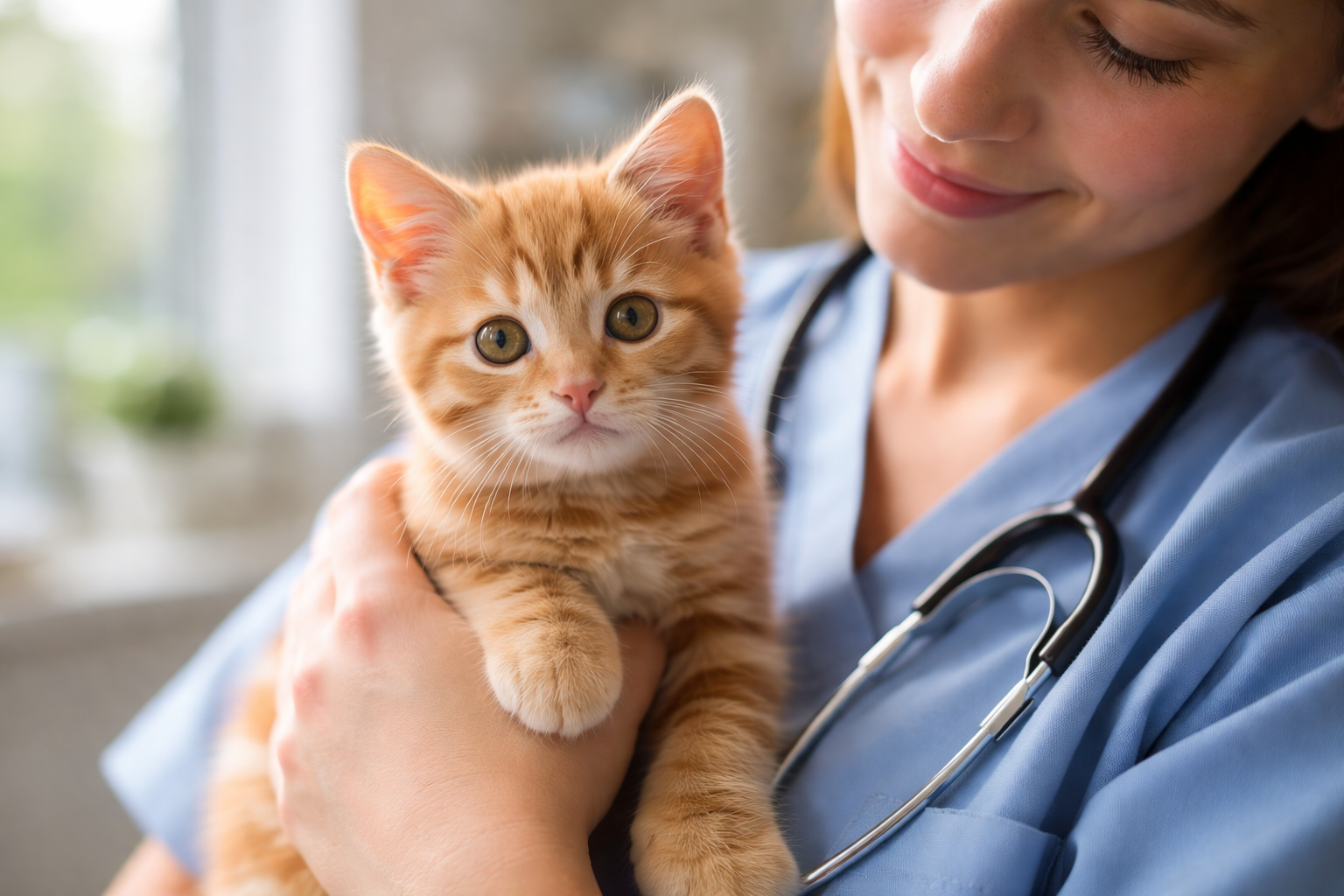
Essential Vaccinations for Your New Kitten (A Practical Guide from Real Experience)
Bringinging a new kitten home can be a fun and sometimes trying experience. I know it was when I brought home my first kitten – I was excited to have her home with me, but wanted to make sure she was healthy. I show you some of the things that I check on a new kitten to make sure she is healthy.
At some point in your cat’s life, you will inevitably find yourself at the vet’s office for vaccinations. When you are a new cat owner, the process can be a bit confusing. It seems to begin early on, with your kitty just a few months old. Then, as time goes on, there is a schedule for boosters. As a new cat owner, the process can seem overwhelming with seemingly endless shots and strange names, all to the backdrop of mixed reviews online. I did make some mistakes with my cats when it came to vaccines, mostly because I was misinformed, but some of my mistakes were due to my own incompetence and delaying a crucial shot because my cats are indoor cats and therefore not at risk for a particular illness. Thankfully, I learned the importance of timing when it comes to vaccinations.
This guide is based on real experience, practical vet advice and what works in practice for both kittens and their owners.
Why Vaccinations Matter More Than You Think
What happens to the immunity a kitten is born with? Kittens are born with immunity from their mother’s antibody’s present in her milk. This temporary immunity usually only lasts about three weeks.
Although it is frequently stated that kittens are most susceptible to infection with the feline viruses when they lose maternal immunity, in reality, it is during this brief interval before maternal immunity wanes that they are most susceptible, for it is then that they have lost protection against disease, but have not yet developed their own.
I learned this the hard way when my friend’s unvaccinated kitten became seriously ill after it went to the balcony and was visited by some feral cats. But to my surprise, indoor cats are not 100% safe.
Vaccinations help your kitten:
- Build strong immunity early
- Prevent life-threatening diseases
- Avoid expensive emergency treatments later
Core Vaccinations Every Kitten Needs
Now, for those who are unfamiliar with what typical vaccines your veterinarian will recommend, this will inform you of the common “essential” ones.
1. FVRCP Vaccine (The Core Combo Shot)
This is considered the most important kitten vaccination and is administered first.
It protects against:
- Feline Viral Rhinotracheitis (a severe respiratory infection)
- Calicivirus (causes mouth ulcers and breathing issues)
- Panleukopenia (a deadly virus similar to parvo in dogs)
My experience:
My little kitten has been sneezing lightly for a few weeks, but after her first FVRCP shot the vet told me that if I hadn’t been vaccinating her, this little cough could have turned into a worse illness. Today she finished her series of shots and she’s now stronger than ever!
2. Rabies Vaccine
Rabies is probably one of the most feared disease due to its extreme severity – it is always fatal. And most of us aren’t aware that Rabies can affect humans as well.
Even if your kitten is kept indoors this vaccine is normally required by law in many countries.
Real-world example:
I had a neighbor have a bat get into their home a few years ago, their vaccinated cat did not seem to show any signs of illness. However without the shot the cat and all other animals would have been in a world of trouble legally and medically.
Recommended (Non-Core but Important) Vaccines
These depend on your kitten’s lifestyle.
3. FeLV (Feline Leukemia Virus)
This is important if:
- Your kitten goes outdoors
- You have multiple cats
- There’s any chance of contact with other cats
FeLV is typically spread through saliva, by grooming, and by eating from the same food bowls.
Mistake I made:
I initially delayed this vaccine as my kitten was indoor-only. However, once I added a second rescue cat to the household, I had to start over with both testing and vaccination, which would have been easier to plan for initially.
Kitten Vaccination Schedule (Step-by-Step)
This is where most new pet owners get a little mixed up, so I’ll outline a rough timeline of what you can expect.
6–8 Weeks Old
- First FVRCP shot
9–12 Weeks Old
- Second FVRCP shot
- First FeLV shot (if needed)
12–16 Weeks Old
- Third FVRCP shot
- Rabies vaccine
- Second FeLV shot
After 1 Year
- Booster shots for all core vaccines
Tip from experience:
Set reminders on your phone (like having the next booster shot up as an alert) and write the shots down in a planner or calendar- I record every shot in Google Calendar and set the reminders for 2 days prior to the shot (i.e. the day the box arrives for the next shot and then 2 days later for the appointment). If you miss a booster shot, you’ll have to start over from the beginning.
What Happens on a Vet Visit?
We know that the first visit to our offices can be a bit stressful for both kitten and owner.
Here’s what usually happens:
- Basic health check (eyes, ears, weight, temperature)
- Discussion about your kitten’s lifestyle
- Vaccine administration
- Quick observation for any immediate reactions
What I noticed:
Our little new kitten got her shots yesterday and she seemed a bit under the weather afterward. But today she is running around like nothing was wrong.
Common Side Effects (And What’s Normal)
After vaccinations, mild reactions can happen.
Normal signs:
- Slight tiredness
- Mild fever
- Reduced appetite for a day
- Small swelling at injection site
When to call the vet:
- Vomiting
- Difficulty breathing
- Severe swelling
- No improvement after 48 hours
Real moment:
My kitten wouldn’t eat for about a day after her shots. After lots of worrying and a call to the vet, I was told that that was normal too. Better safe than sorry, right?
Cost of Kitten Vaccinations (What to Expect)
Costs vary depending on your location and clinic.
Typical range:
- Individual vaccine: $15–$50
- Full kitten package: $100–$300
Money-saving tip:
Anybody know where I might find a vet clinic around here that offers “kitten packages” — basically they hit you up for the cost of the entire series of vaccinations all at once when you bring home the first kitten? I just saved about 28% on my whole package by bringing home both kittens instead of paying for the full series on the first one.
Practical Tips That Actually Help
Some things I learned late in the game that I wish I had known beforehand.
Keep a Vaccination Record
Keep copies of documents somewhere safe – physical copies and digital copies. You’ll need to refer to them.
- Travel
- Boarding
- Vet emergencies
Use a Carrier Early
Put your kitten in their carrier as early as possible, so they get used to it before they have to go to the vet. It saves a lot of stress.
Don’t Skip Boosters
Missing one booster can reset the whole schedule.
Avoid Public Exposure Before Full Vaccination
No parks, no contact with unknown animals.
Indoor Cats Still Need Vaccines (Yes, Really)
This is a common misconception.
Even indoor kittens can be exposed through:
- Shoes bringing in viruses
- Open windows or balconies
- Visiting pets
I used to think my home was “safe enough” until I learned more about how easily viruses spread through the air and surface contact. Everything changed!
Tools and Apps That Make It Easier
Keep track of your pet’s health with our simple-to-use pet health tools.
Here’s what I personally use:
- Google Calendar → for vaccine reminders
- PetDesk App– Keep track of vet visits and health records for your pet.
- Notes app → quick symptom tracking
What Happens If You Delay Vaccination?
Delays can:
- Leave your kitten unprotected
- Increase risk of serious illness
- Require restarting the vaccine series
I have done a booster 3 weeks late in the past due to travel. Obviously, that did require some adjustments on the vet’s part, and some extra visits and cost.
Getting to the bottom of this story as close to real time as possible was key.
Final Thoughts
Bringinging a new kitten home is a lot of fun, and filled with little decisions that affect the long-term health and well-being of your new furry companion. Deciding when and if to vaccinate your new kitten seems like a minor decision, but nothing could be further from the truth.
I’ve got my routine down, and after this next round of vet visits and a few plans, my kitten will be off and running with a strong and healthy start to life.
The peace of knowing your kitten is protected is worth the effort!
Read our guide on Labrador Health