How to Care for an Aging Dog’s Joints (Real-Life Tips That Actually Help)
Every grey hair is a badge of honour and with every passing year, you become more grateful for the time you have with your furry companion. However, as your dog enters middle age, you may start to notice signs of slowing down; hesitations before jumping up, slower walks, stiffness after sleep, and maybe a wee bit of grumble when you first wake up.
It’s hard to see our dogs lose the energy they once had to run to the gate. I saw this with my own dog as his old age started to take its toll. At first I thought he was just getting tired, but in time I realized the real culprit was arthritic joints.
If you haven’t gotten your pup to senior status yet, consider yourself lucky. But for those who are in that stage already, properly taking care of their joints is likely their top priority. The good news is that even a few changes can make a huge difference.
Reader Q&A: How to Manage Knee Pain
Most people expect limping as the main sign—but it’s often more subtle.
Here’s what I noticed early on:
- Losing balance or coordination
- Avoiding stairs or jumping onto the sofa
- Walking slower, especially in the morning
- Sitting down mid-walk
My dog has been circling before he lays down and sleeping more than usual. The vet says he is trying to get into a position where it doesn’t hurt.
That was my wake-up call.
Step 1: Fix the Sleeping Setup First
This is the easiest and most overlooked fix.
What worked for me:
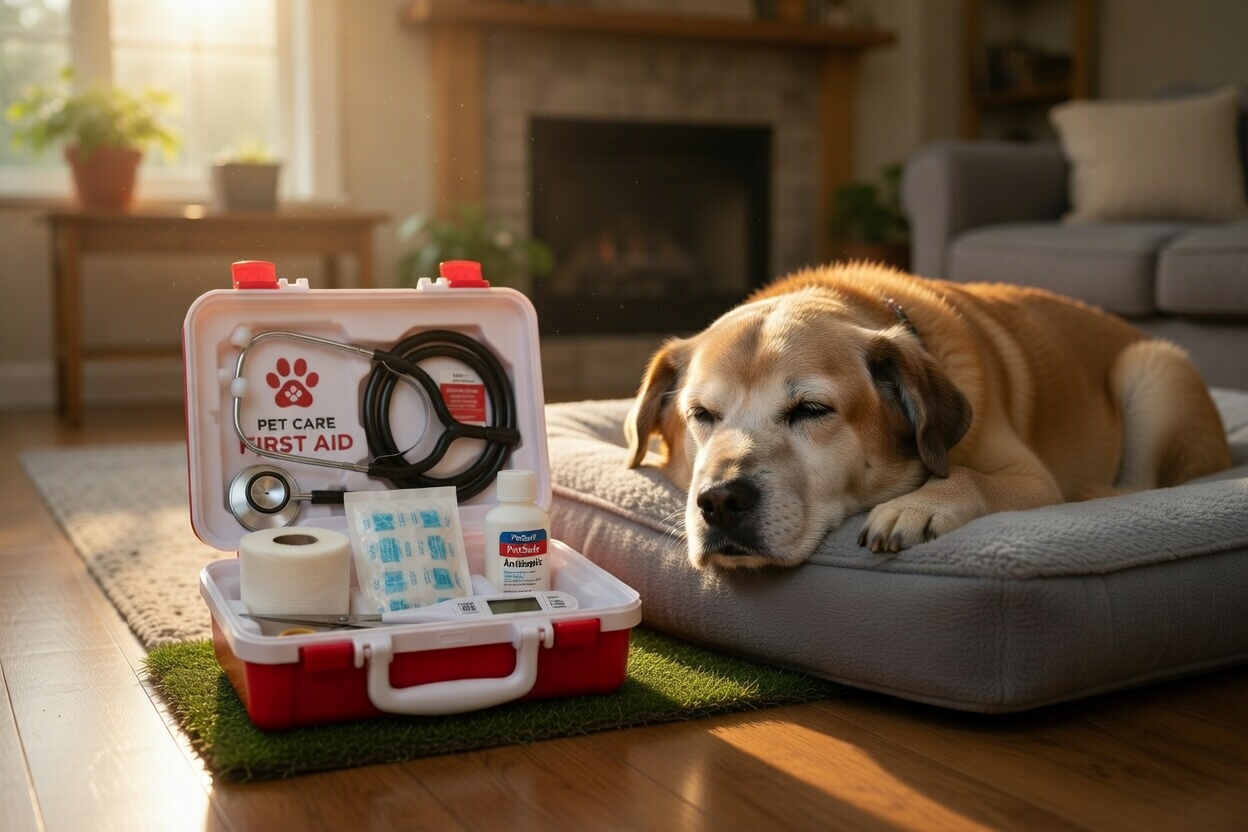
I’ve switched to an orthopedic memory foam bed – it’s not cheap but it’s not a thin expensive mattress, it’s really thick.
Immediate result:
My dog was getting around within a week and appeared to be less stiff.
What to look for:
- Thick memory foam (at least 3–4 inches)
- Non-slip bottom
- Easy-to-clean cover
Mistake I made:
I actually started with a more stylish bed frame for my murphy bed first (see top photo), however that bed was NOT comfortable and offered zero support.
Step 2: Manage Weight (This Changes Everything)
This is honestly the biggest factor.
Carrying even a little extra weight places additional strain on all the joints in the body.
My dog gained about 2-3kg over the years but never seemed that fat until I saw him on the vet table and realised just how much he had added and how it was starting to affect him.
What I did:
- Reduced portion size slightly
- Switched to a joint-support dog food
- Cut random treats (this was hard)
Result after 6 weeks:
- More energy
- Easier movement
- Less stiffness
Simple rule:
Is your dog fat? If you can’t feel his ribs easily under his skin, it’s time to start looking for a better dog food.
Step 3: Controlled Exercise (Not Too Much, Not Too Little)
I was mistaken to stop training altogether. I did that for a few weeks.
It actually made things worse.
Joints need movement—but the right kind.
What works best:
- Short, regular walks (10–20 minutes)
- Flat surfaces (avoid rough terrain)
- Consistent routine
What to avoid:
- Sudden running
- Jumping from heights
- Long, exhausting walks
My routine:
Morning: 15-minute slow walk
Evening: 10-minute light walk
That consistency helped more than occasional long walks.
Step 4: Add Joint Supplements (But be smart!)
Choosing the right supplement recommended by your vet can make a noticeable difference.
After trying several methods, I found the following to be effective.
Key ingredients to look for:
- Glucosamine
- Chondroitin
- MSM
- Omega-3 fatty acids
My experience:
I started giving my pup on vet recommended glucosamine, and I am finally starting to notice some changes – real changes – after about 3-4 weeks.
Less stiffness. Better movement.
Important tip:
Don’t expect instant results. Supplements take time.
Step 5: Make Your Home “Joint-Friendly”
You don’t realize how many small obstacles exist until your dog struggles.
Changes I made at home:
1. Added rugs on slippery floors
We had tiles put in our lounge to guard against chewing however our dog does slip a little on them. These rugs have removed that problem and Home away from home.
2. Used a ramp for the sofa
Instead of jumping, he now walks up easily.
3. Raised food and water bowls
The relocation relieved his neck and front legs of strain.
Some very easy tweaks can really take some pressure off of your joints.
Step 6: Regular Vet Checkups (Don’t Skip These)
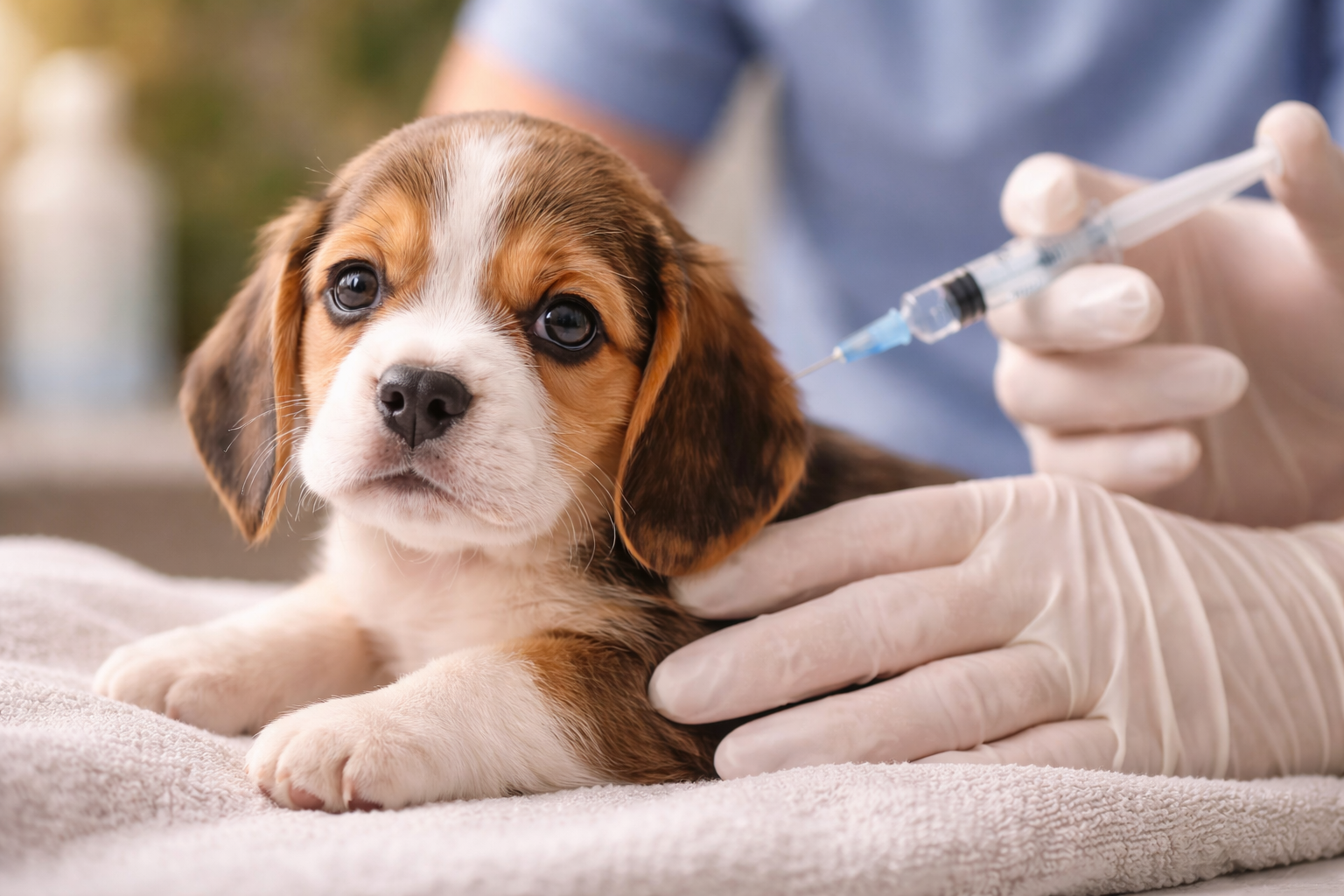
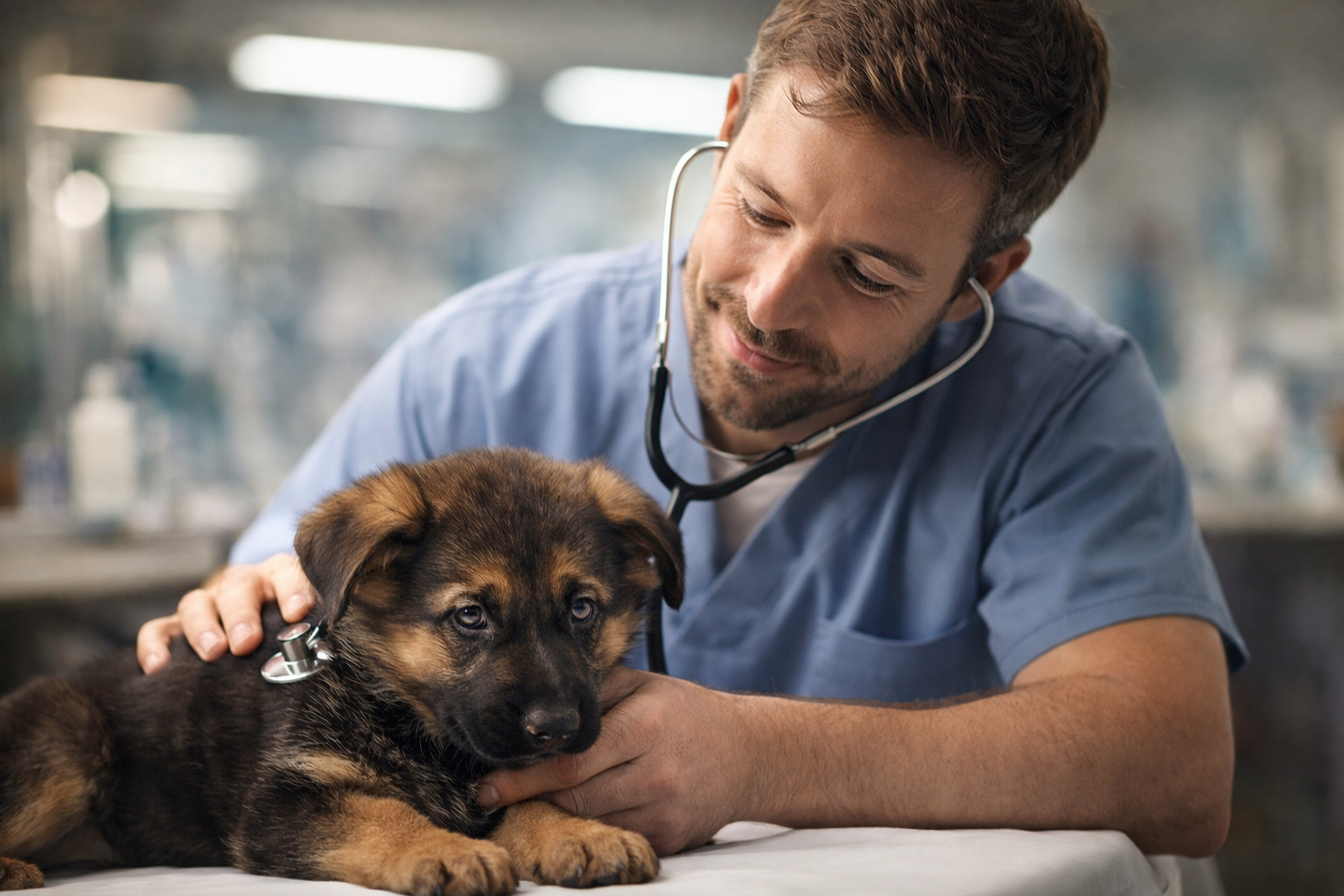
I used to go to the vet only when my dogs appeared to be sick.
Now I go regularly—even if everything seems fine.
Why it matters:
- Early detection of arthritis
- Pain management plans
- Proper medication if needed
My vet adjusted my dog’s plan at one visit and really improved his comfort level.
Step 7: Pain Management (When Needed)
Sometimes, lifestyle changes are not enough.
Is your dog in pain? Find out from your vet.
Options may include:
- Anti-inflammatory medications
- Joint injections
- Physical therapy
Important:
Never give human pain relievers to dog. I have heard of owners accidentally giving people pain relievers to their dogs in emergency situations. It can be very dangerous.
Step 8: Try Simple Physical Therapy at Home
You don’t need to spend lots of money helping your dog.
Easy exercises I use:
1. Slow leash walking
Encourages steady joint movement
2. Sit-to-stand repetitions
Encourages strength building (if your dog enjoys doing this exercise)
3. Gentle massage
Gently massage the hips and legs in the evening to calm and to aid circulation.
Tools and Apps That Help (Real Use)
Organizing supplies for an older dog can make caring for him and keeping him comfortable a lot easier.
What I personally use:
- Google Calendar: Vet appointments & medication reminders
- PetDesk app → Tracks health records
- Notes app → I log changes in behavior (very helpful for vet visits)
These simple to use tools help you recognise patterns or structures that would otherwise remain hidden to you.
Things I Wish I Knew Earlier
Looking back, here are the mistakes I made:
- Ignoring early signs (“He’s just getting older”)
- Letting weight increase slowly
- Buying cheap beds instead of supportive ones
- Skipping consistent exercise
These were fixed a little while afteras our dog aged. Had we known about them sooner, our pup would have been way more comfortable.
Small Signs That Things Are Improving
When your care routine starts working, you’ll notice:
- Easier movement after rest
- More willingness to walk
- Better mood
- Less hesitation on stairs or surfaces
Even just regaining use of the front stoop for taking my dog for walks again is huge for me right now. And today he even started wagging his tail again, which is the best sign of progress so far.
That’s when I knew things were getting better.
Final Thoughts
Taking care of an older dog’s joints is not a big deal – it is a collection of little details that add up to healthy hips and joints.
Calm is just a better bed, more controlled exercise, a proper diet, and a few changes to your home away from home.
Your dog may be slowing down, but this doesn’t mean that they have to be miserable. By following the right programme of care, owners can help their dogs live happy, mobile and comfortable lives well into old age.
Honesty time, seeing them move a little easier again makes all of this effort so worth it.