What to Do if Your Dog Swallows Something Toxic (An Emergency Guide)
Accidents happen fast. One minute your dog is playing, and the next, they’ve found something they shouldn’t have. Whether it’s chocolate, rat poison, or household chemicals, knowing how to react in those first few minutes can save your dog’s life.
I learned this the hard way when my dog was unusually quiet for 10 minutes—never a good sign. I found an open packet of rat poison behind the fridge. That sinking feeling is real, but panicking will only slow you down. Here is a practical step-by-step guide based on real experience and vet advice.
Step 1: Stay Calm and Assess the Situation
Panic is your biggest enemy. Your dog can sense your anxiety, which can make their physical condition worse. Instead of overcomplicating it, take a breath and quickly find out:
- What did your dog swallow?
- How much did they likely ingest?
- When did it happen?
Even rough estimates are extremely helpful for the vet.
Step 2: Identify the Substance Quickly
This step matters more than people realize. I was lucky I had the packaging with me when I rushed to the vet, and that probably saved my dog’s life.
What to do right now:
- Look for wrappers, containers, or spills.
- Take a photo of the label if you can’t bring the container with you.
- Check for active ingredients like Xylitol, Cocoa, or specific pesticides.
Common toxins include:
- Dark chocolate and grapes.
- Sugar-free gum (Xylitol).
- Human medications (painkillers).
- Cleaning products and rat poison.
Step 3: Do NOT Try Random Home Remedies
This is a common mistake. Many people think giving a dog milk or salt water will help, but in many cases, it does nothing—or worse, it wastes precious time.
Avoid these unless specifically told by a vet:
- Milk: It doesn’t neutralize most toxins.
- Hydrogen peroxide: Inducing vomiting blindly can be dangerous because some toxins cause more damage coming back up.
- Salt water: This can lead to salt poisoning.
Step 4: Call a Vet Immediately
By the time symptoms appear, the toxin is likely already in the bloodstream. Waiting “just to see” is the biggest error you can make.
What to do:
- Call your nearest veterinary clinic or an emergency animal hospital.
- Search Google Maps for “24/7 vet near me” if it’s after hours.
- Explain your dog’s weight and exactly what they swallowed.
Step 5: Watch for Warning Signs
While you are on your way to the vet, monitor your dog for these symptoms:
- Excessive drooling or vomiting.
- Lethargy or weakness.
- Shaking, tremors, or seizures.
- Pale gums or difficulty breathing.
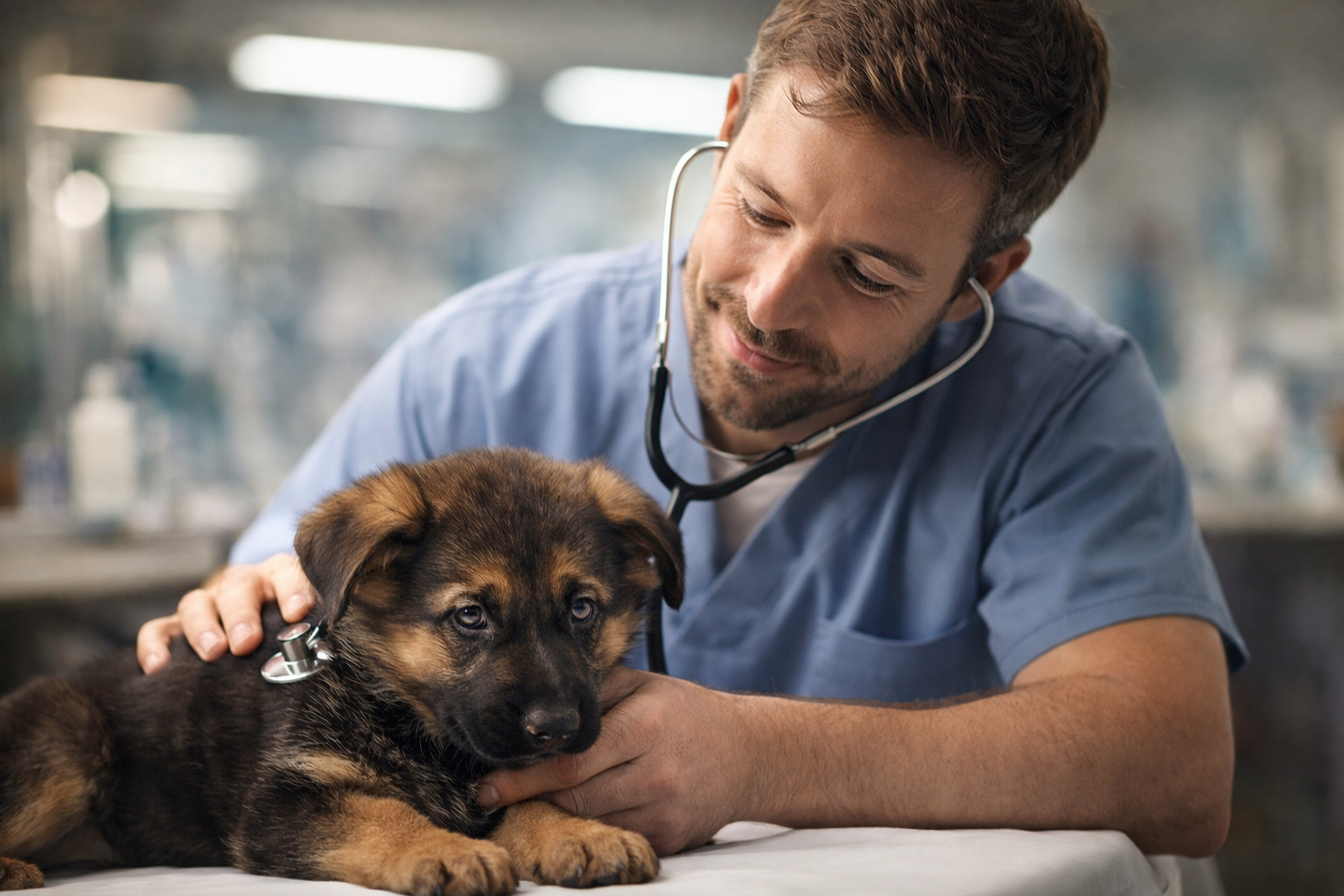
Step 6: What the Vet Might Do
Knowing the procedure helps reduce your stress. Depending on the toxin, the vet may:
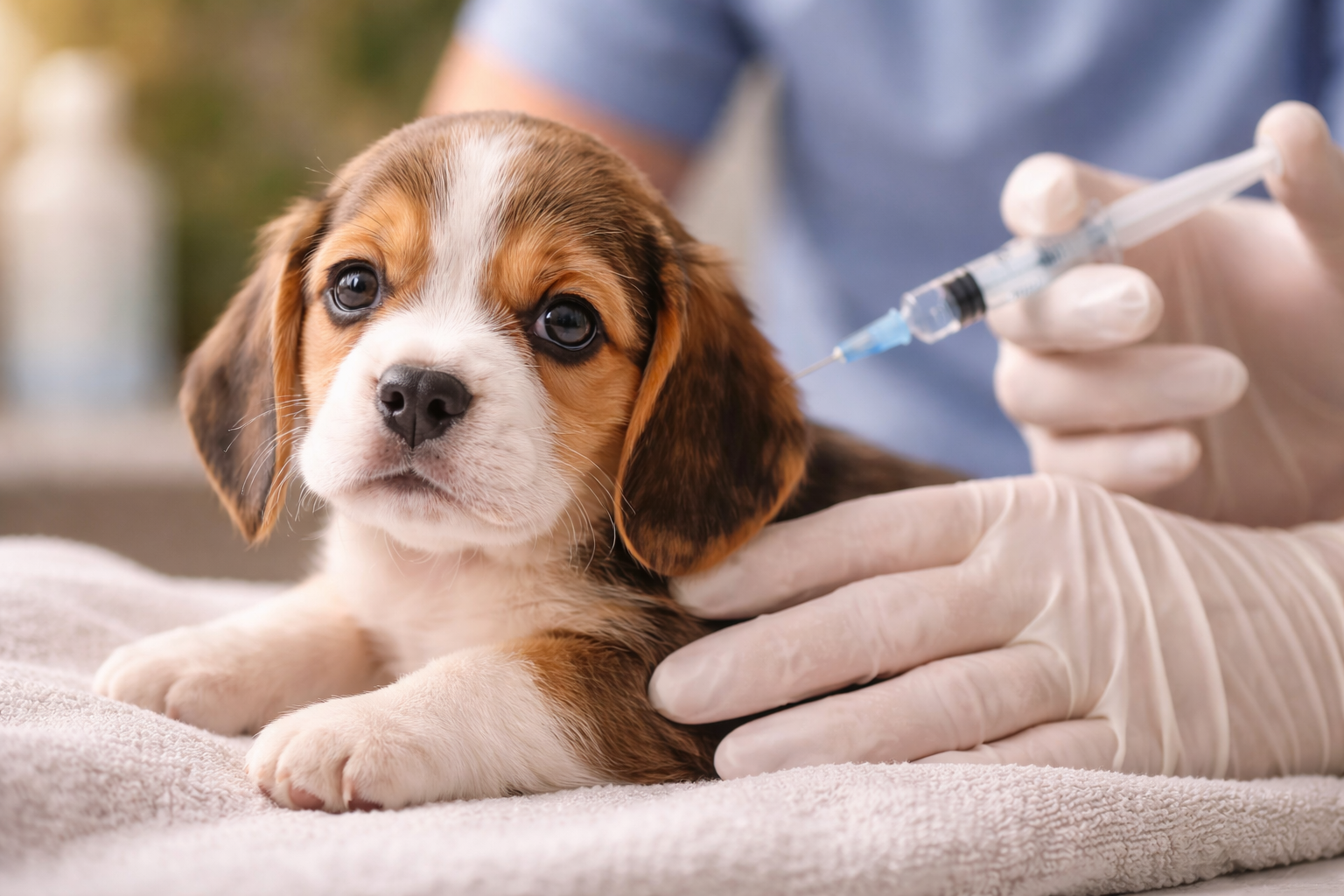
- Induce vomiting safely in a controlled environment.
- Give activated charcoal to bind the toxins in the stomach.
- Administer IV fluids to flush the system and protect the kidneys.
- Provide specific antidotes (like Vitamin K for rat poison).
Step 7: Home Prevention and Monitoring
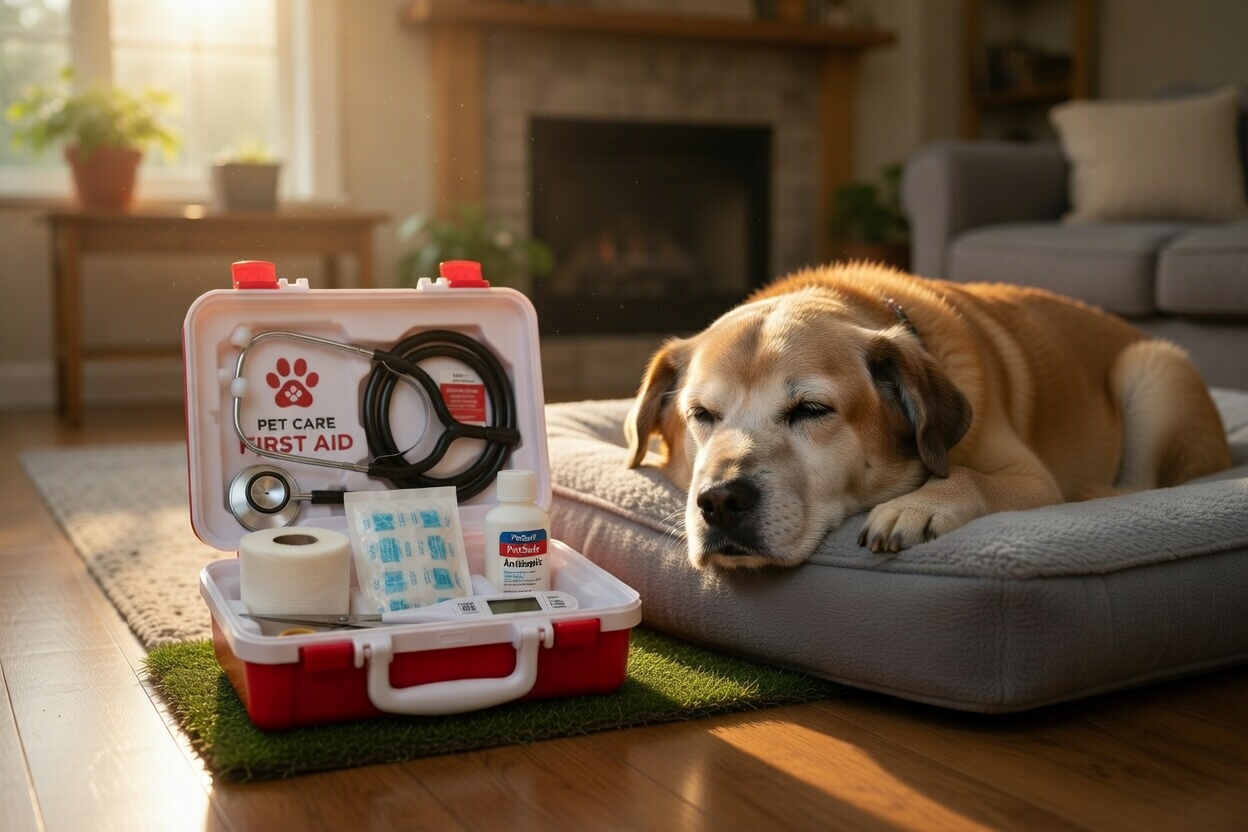
After the emergency, the work isn’t over. Keep a close eye on your dog’s appetite and energy levels for the next 48 hours.
To prevent this from happening again:
- Store all chemicals in locked upper cabinets.
- Install child-proof latches on low cupboards.
- Keep all human medications in a drawer, never on a bedside table.
Final Thoughts
Being a good pet owner means being prepared for the unexpected. Emergency rarely warns of its approach, but your response can make all the difference. Save your vet’s number in your phone today—don’t wait for an emergency to find it.